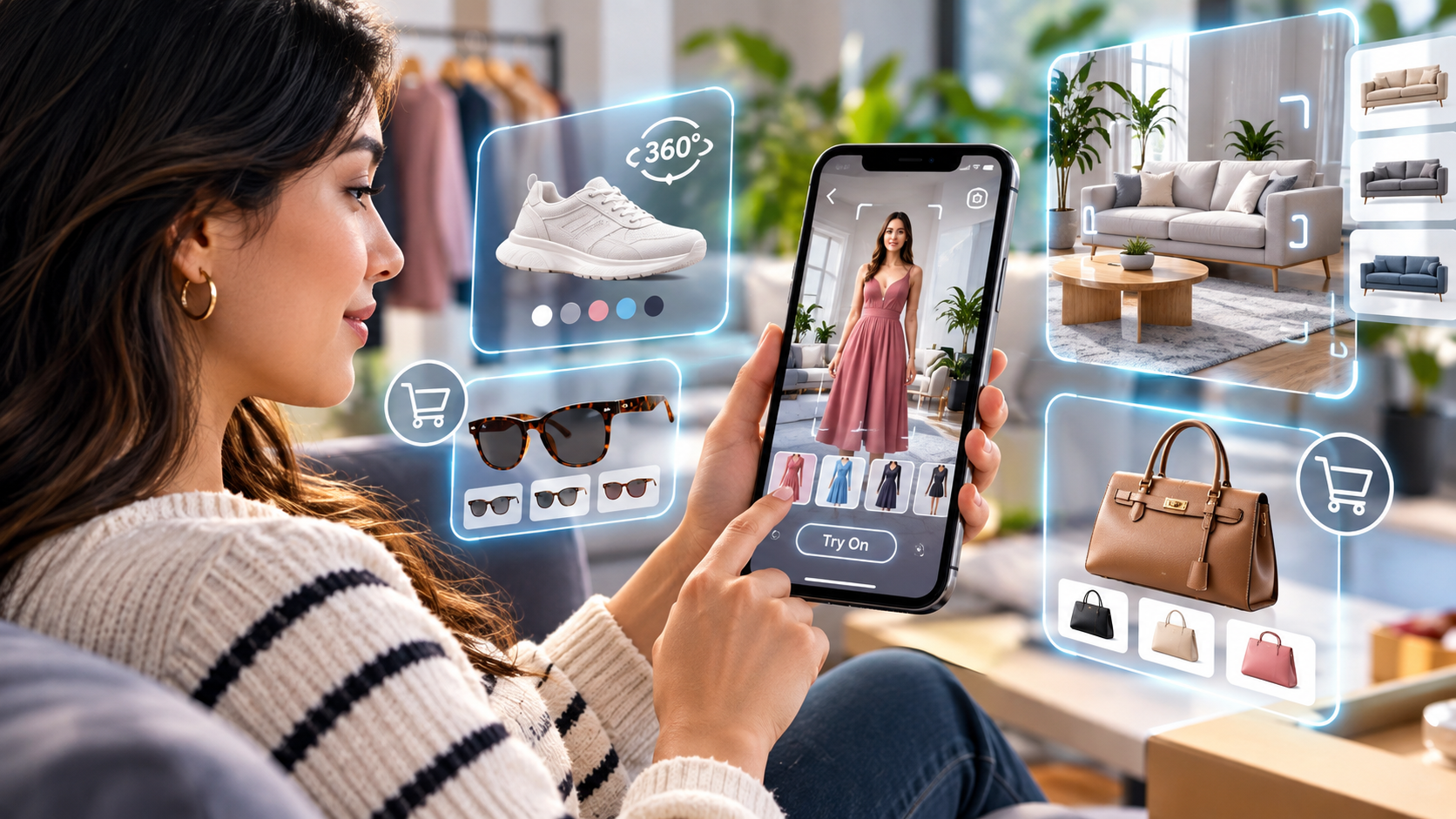
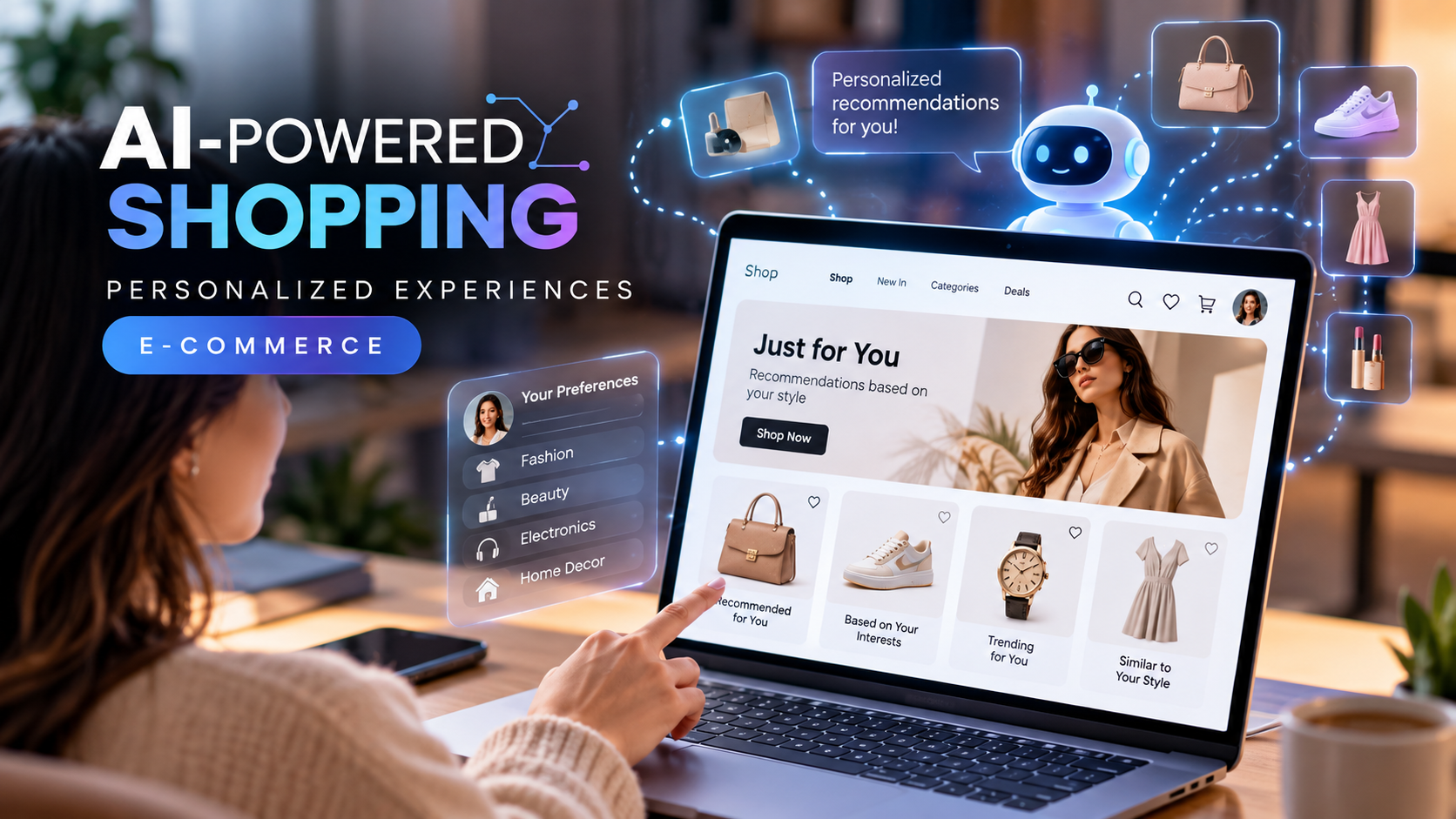
In the rapidly evolving world of digital retail, the concept of a truly personalized shopping experience stands as a powerful testament to the transformative potential of modern technology. Gone are the archaic days of generic, one-size-fits-all marketing strategies and static storefronts that display the exact same inventory to every single visitor. Today, modern consumers demand and expect highly tailored product recommendations, intuitive digital interactions, and seamless pathways that cater specifically to their unique, individual preferences. Enter Artificial Intelligence (AI)—the invisible, incredibly powerful driving force behind the dawn of an entirely new era in online buying. From highly intelligent, predictive product recommendations to hyper-realistic virtual try-on features, AI is fundamentally reshaping the entire global landscape of e-commerce. By offering unprecedented levels of convenience and deep customization, AI is revolutionizing how brands interact with consumers worldwide.
Understanding AI-Powered Shopping Experiences
At its very core, an AI-powered shopping experience leverages incredibly advanced mathematical algorithms to instantly analyze massive, complex mountains of consumer data. This data includes historical past purchases, real-time browsing habits, exact search queries, granular demographic information, and even public social media interactions. By rapidly deciphering and connecting these seemingly disparate data points, complex AI systems can accurately predict subtle consumer preferences with astonishing, near-perfect accuracy. This deep analytical capability allows online retailers to instantly deliver highly customized, dynamic homepages and tailored product recommendations in absolute real-time. Whether it involves intuitively suggesting complementary accessories for a recently purchased dress, presenting highly targeted discount promotions based on previous cart abandonment, or deploying interactive digital purchasing assistants, AI seamlessly enhances every single touchpoint of the modern customer journey, ultimately fostering much deeper brand engagement and aggressively driving retail sales.
The Benefits of Personalized Shopping Experiences
The integration of artificial intelligence into e-commerce is not simply a flashy technological novelty; it provides tangible, highly lucrative benefits for both the digital retailer and the everyday consumer. Here are the primary advantages driving this massive industry shift.
Enhanced Customer Engagement
Personalized, AI-curated product recommendations inherently resonate much more deeply with modern consumers. When a shopper logs onto a website and immediately sees a curated feed of items that perfectly align with their specific aesthetic tastes and current needs, they are significantly more likely to continue browsing. This highly tailored approach drastically increases the average time spent on the website, effectively reduces bounce rates, and ultimately leads to significantly higher conversion rates compared to generic storefronts.
Improved Customer Satisfaction
By actively catering to highly specific individual preferences and filtering out irrelevant product noise, AI-powered shopping stories create a powerful sense of exclusivity and personal delight. Shoppers spend far less time frustratingly digging through hundreds of pages of irrelevant products and more time actually discovering exactly what they are looking for. This frictionless, highly intuitive purchasing experience fosters deep, long-term brand loyalty and virtually guarantees repeat business.
Increased Revenue
For retailers, the financial return on investment regarding AI is absolutely undeniable. Tailored product recommendations and highly timed, personalized promotional discounts naturally encourage highly lucrative upselling and cross-selling opportunities. By suggesting a matching belt at the exact moment a customer adds a pair of trousers to their cart, AI algorithms effectively increase the average order value, significantly boosting overall revenue streams for online stores.
Streamlined Operations
Beyond the customer-facing storefront, AI massively automates many tedious backend aspects of the digital shopping process. Predictive AI models can accurately forecast upcoming product demand, allowing retailers to optimize their inventory management and completely avoid costly out-of-stock scenarios. Furthermore, AI-driven dynamic pricing algorithms can automatically adjust product prices in real-time based on current market demand, allowing businesses to operate much more efficiently.
Data-Driven Insights
By continuously tracking and deeply analyzing granular consumer behavior patterns, AI generates incredibly valuable, actionable insights that enable retailers to constantly refine their overarching marketing strategies. Instead of relying on traditional gut-feeling marketing, brands can now utilize hard, predictive analytics to optimize the entire purchasing funnel, ensuring every single digital interaction is fully maximized for success.
Key Technologies Driving Personalization

The magic of AI personalization is actually powered by several distinct, highly advanced sub-technologies working in perfect unison behind the scenes.
Machine Learning Algorithms
Machine-learning algorithms essentially act as the core brain of AI-powered purchasing experiences. These dynamic algorithms are explicitly designed to continuously learn from every single user interaction—every click, every pause, and every purchase. As they ingest more data, they autonomously refine their internal predictive models, ensuring that the product recommendations they generate become increasingly accurate and highly relevant over time without requiring manual human programming.
Natural Language Processing (NLP)
Natural Language Processing (NLP) is the specific technology that allows digital chatbots and virtual shopping assistants to actually understand and intelligently respond to complex customer inquiries in plain, conversational English. By instantly analyzing user sentiment, context, and regional slang, NLP algorithms provide highly personalized, 24/7 customer service. Furthermore, NLP powers semantic search bars, allowing customers to search for “warm winter coats for a ski trip” rather than relying on rigid, exact-match keywords.
Computer Vision
Computer vision technology allows e-commerce platforms to “see” and analyze visual data just as effectively as human beings. This highly advanced technology completely powers modern virtual try-on experiences and highly popular visual search tools. By allowing consumers to upload a photo of a specific outfit they saw on the street, computer vision algorithms can instantly scan millions of inventory items to locate visually similar products effortlessly, bridging the gap between inspiration and purchase.
The Future of AI in E-Commerce
As artificial intelligence continues to rapidly evolve at a breakneck pace, we can confidently expect even more sophisticated, hyper-personalized techniques to emerge, permanently blurring the traditional lines between online and offline buying stories. From deeply customized, generative AI marketing campaigns tailored to the individual user, to voice-activated digital commerce and advanced augmented reality showrooms, the future retail opportunities are virtually infinite. By aggressively harnessing the raw, unparalleled power of AI today, forward-thinking e-commerce companies can stay firmly ahead of the curve and deliver unmatched, premium value to their highly demanding clients in an increasingly fierce, competitive marketplace landscape.
Conclusion
In ultimate conclusion, the meteoric rise of AI-powered personalized purchasing stories represents a massive, undeniable paradigm shift within the highly competitive world of global e-commerce. By strategically harnessing the vast capabilities of artificial intelligence, modern online shops can deliver completely unparalleled convenience, deep aesthetic customization, and immense overall satisfaction to consumers worldwide. As this foundational technology continues to inevitably evolve, so too will the boundless opportunities for crafting highly memorable, personalized shopping reports, firmly ushering in a brilliant new era of unprecedented retail innovation and strict consumer-centricity.
Frequently Asked Questions (FAQs)
Q1. How exactly does AI customize my online shopping experience?
Ans. AI meticulously analyzes your specific digital footprint—including your past purchases, exact browsing history, search terms, and demographic information—to instantly generate tailored product suggestions and unique promotions that perfectly align with your personal tastes.
Q2. Is AI-powered personalization strictly limited to online e-commerce stores?
Ans. Not at all. While AI has made its most significant strides in enhancing online purchasing reviews, modern physical brick-and-mortar stores are also actively leveraging advanced tools like spatial beacon technology, smart mirrors, and facial recognition to provide highly personalized in-store interactions.
Q3. Are there significant privacy concerns regarding AI and personalized shopping?
Ans. Yes. Because AI relies entirely on harvesting massive amounts of consumer data to supply personalized reviews, ensuring strict data privacy and security remains a top priority for reputable businesses. Transparent data collection practices are absolutely crucial to building trust with modern consumers.
Q4. Can AI actually predict my future buying behavior?
Ans. Yes, advanced AI machine-learning algorithms can analyze your historical data to identify subtle purchasing patterns and seasonal trends, directly allowing retail corporations to highly anticipate your future buying behavior and proactively tailor their marketing strategies.
Q5. What are the main challenges businesses face when implementing AI personalization?
Ans. Common logistical challenges generally include overcoming data silos, managing software integration complexities, and the pressing need to hire highly skilled personnel to accurately develop and securely maintain these complex AI systems over the long term.