
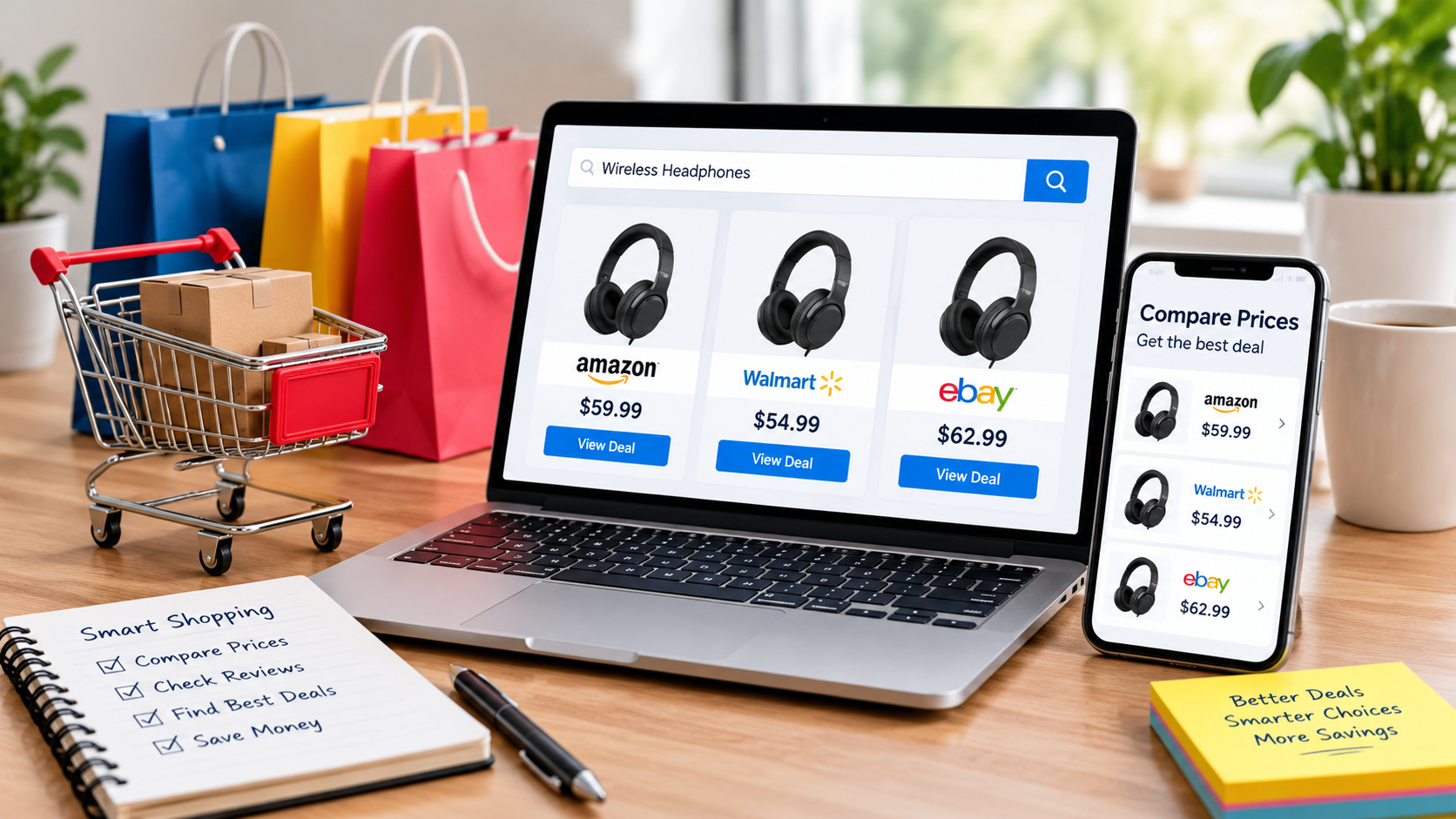
E-commerce has transformed the modern shopping experience, providing instant access to millions of consumer products. From smartphones and audio headphones to kitchen appliances and contemporary fashion, virtually anything can be ordered within seconds. However, this vast digital marketplace comes with a catch: retail pricing varies across different platforms. The identical gadget or clothing item can carry contrasting price tags depending on individual seller margins, ongoing promotions, delivery charges, and payment gateway incentives. Mastering the art of comparing prices across online shopping websites helps you avoid overspending and make smarter purchasing decisions. Instead of hastily checking out on the first portal you visit, exploring multiple destinations unlocks substantial savings. In this guide, we explain practical price comparison methodologies, explore effective comparison tools, and outline essential verification steps to ensure you secure authentic value every time you shop online.
1. Search for the Same Product on Multiple Websites
The easiest way to start finding the best deal is searching for the exact product across major platforms. If you plan to buy a specific electronic device, check major storefronts such as Amazon, Walmart, Best Buy, Target, and official brand portals. Depending on your region, checking national platforms—such as Flipkart, Croma, and Reliance Digital in India—often reveals competitive pricing. When comparing listings, precision is vital. Ensure you are evaluating the exact same model number, memory capacity, color, version, and included accessories. Retailers sometimes discount older generation models or packages with fewer accessories that look identical to premium variants. Utilizing the precise manufacturer part number or model code in search bars eliminates lookalike products and guarantees accurate price comparisons.
2. Use Price Comparison Websites and Tools
Manually checking several storefronts can take considerable time. Automated price comparison engines and browser extensions simplify this workflow by collecting product listings, active discounts, and merchant availability across retailers simultaneously. Google Shopping provides a clear overview of competing store prices, seller ratings, and localized inventory availability. Specialized tracking utilities like Keepa and CamelCamelCamel offer historical price data for Amazon listings, graphing past fluctuations so you know whether a deal is genuinely discounted. Mobile applications such as ShopSavvy enable shoppers to scan barcodes while shopping in physical stores to compare prices against online merchants. While these aggregators save time, always confirm the final price directly on the retailer’s website before ordering.
3. Compare the Final Price, Not Just the Product Price
A common mistake in online shopping is choosing a product with the lowest displayed list price without checking additional costs. The final amount you pay often includes shipping charges, regional sales taxes, handling fees, or import duties. Conversely, some retailers offer free delivery, membership perks, or instant cart coupon discounts that reduce the overall expense. For example, a store listing a product for $50 with a $15 delivery fee is more expensive than a competitor selling the same item for $60 with free delivery. Always advance through the checkout process to the final confirmation screen to compare the actual payable amount rather than relying on headline shelf prices.
4. Check Coupons, Bank Offers, and Cashback
Retailers frequently partner with banking networks, digital payment wallets, and rewards programs to present promotional discounts. These perks can include instant percentage discounts, seasonal coupon codes, reward points, or cashback. However, these offers often feature conditions, such as minimum spending thresholds, credit card restrictions, or caps on maximum savings. Before completing your purchase, review available checkout vouchers, look for coupon codes, and check whether your payment method qualifies for promotional reductions. Calculating the genuine net benefit of these promotions ensures you maximize realized savings rather than being swayed by advertised percentages.
5. Check Price History Before Buying
Just because an e-commerce platform displays a bright discount badge does not guarantee a genuine bargain. Some retailers raise baseline list prices right before major shopping events, creating the illusion of a massive discount. Using price tracking tools allows you to look past marketing hype and analyze an item’s pricing trajectory over preceding months. If tracking charts show that an item regularly sells below the current promotional price, you can decide to wait for a better offer, provided the purchase is not urgent, protecting your budget from artificial sales pressure.
6. Compare Seller Ratings, Reviews, and Return Policies
The lowest price is not always the best choice if it comes attached to poor customer support, dubious authenticity, or restrictive return terms. Marketplaces host thousands of third-party sellers ranging from authorized distributors to unverified vendors. Before ordering, inspect the seller’s feedback score, read customer reviews regarding packaging and delivery speed, and confirm whether the product includes a manufacturer warranty. For lifestyle items like clothing and footwear, verify whether the merchant provides clear return policies and free return shipping. Furthermore, verify whether listings represent brand-new merchandise, factory refurbished units, or open-box returns, as condition directly affects value.
7. Be Careful With Fake Discounts and Suspicious Websites
Bargain hunting should never compromise your financial safety. Scammers frequently create clone websites mimicking popular brands, advertising electronics or luxury goods at unrealistically low prices to steal payment credentials. Exercise caution if a website lacks verifiable contact details, displays broken links, or demands payment through non-reversible methods like direct wire transfers or gift cards. While HTTPS indicates encrypted communication, it does not guarantee store legitimacy. Cross-reference unfamiliar storefronts through independent review platforms like Trustpilot and verify web addresses before entering personal information.
8. Create a Simple Price Comparison Checklist
To establish a consistent price comparison routine, review these essential factors before placing an order:
Product Details: Verify that the model number, specifications, color, and included accessories match identically across listings.
Final Payable Cost: Account for product price, shipping charges, taxes, and applicable checkout coupon discounts.
Seller Reliability: Check customer ratings and confirm whether the seller provides legitimate warranty coverage.
Return Conditions: Ensure the store offers a clear return window with reasonable exchange and refund policies.
Historical Pricing: Review recent price trends to confirm whether the current deal represents genuine economic value.
Conclusion
Comparing prices across online shopping websites is an effective habit that protects your personal finances from inflated pricing and sales tricks. By checking multiple retailers, utilizing comparison tools, calculating total landed costs, and verifying seller reputations, you can consistently secure the best deals. True retail value extends beyond finding the lowest sticker price; it encompasses product authenticity, dependable warranty protection, seamless delivery logistics, and trustworthy customer care. Before finalizing your next online purchase, invest a few minutes into comparing your options. Those simple steps will save you money and create a more rewarding shopping experience.
Frequently Asked Questions (FAQs)
1. Why do prices for the same product differ across online shopping websites?
Online prices vary due to differing retailer operational costs, wholesale purchasing agreements, regional promotions, and automated pricing algorithms that adjust according to market demand.
2. Which price comparison tools are the most dependable for shoppers?
Dependable options include Google Shopping for broad cross-store comparisons, Keepa and CamelCamelCamel for Amazon price histories, and ShopSavvy for barcode comparisons.
3. How can I verify that an online discount is genuinely authentic?
Use price tracking tools to examine an item’s selling history over several months, confirming whether the seller raised the original price prior to announcing the discount.
4. Is buying from the store with the lowest price always the right choice?
Not always. Factors such as shipping charges, return shipping policies, delivery timeframes, and customer support quality should always be considered alongside the baseline price.
5. What red flags indicate a price comparison offer may be a scam?
Warning signs include prices far below standard market value, lack of clear business contact information, grammatical errors, and requests for payments via wire transfer or gift cards.




One thought on “How to Compare Prices Across Online Shopping Websites and Find the Best Deals”