
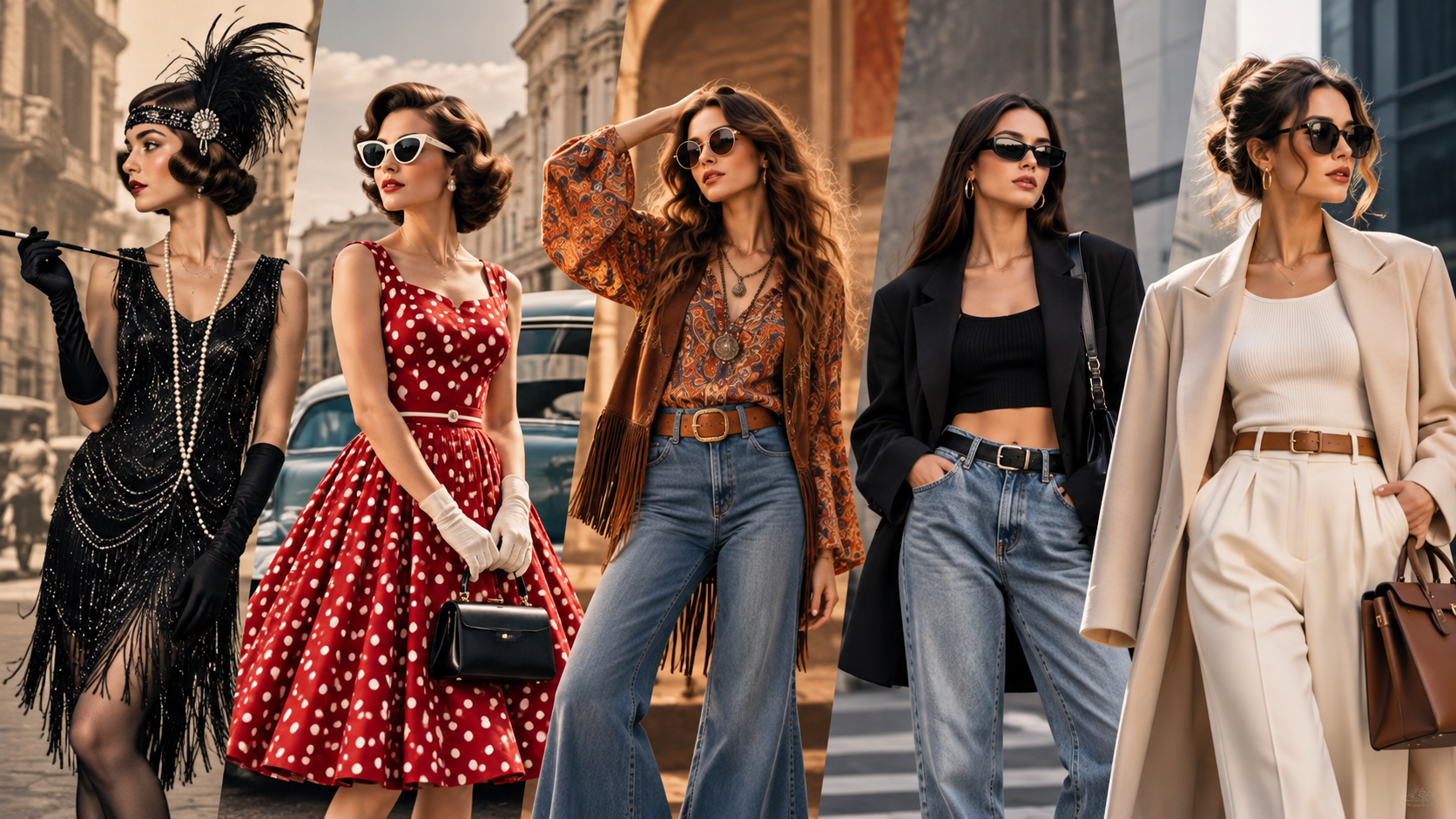
Fashion is much more than mere clothing; it is a continuously evolving art form that deeply reflects shifting cultural paradigms, monumental social movements, and rapid technological advancements. Yet, even within this incredibly fast-paced and ever-changing landscape, a select group of extraordinary individuals manages to rise above fleeting seasonal trends. These unique trendsetters become enduring, timeless style icons who leave an indelible, permanent mark on the global fashion industry. They do not just wear clothes; they dictate the cultural mood and inspire entire generations with their fearless, deeply personal sense of style. Let us embark on an expansive journey through time, carefully exploring the iconic looks, legendary garments, and unforgettable fashion trailblazers whose stylistic legacies continue to resonate and inspire modern wardrobes today.
The Roaring Twenties and the Flapper Revolution
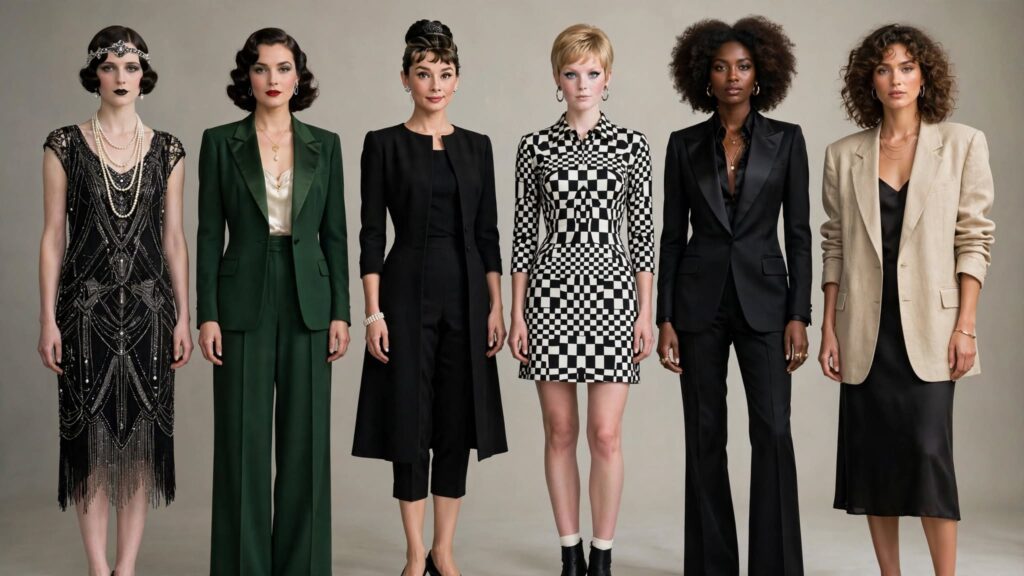
The 1920s marked a spectacular post-war era absolutely brimming with cultural liberation, jazz music, and a newfound sense of social freedom, which directly triggered a dramatic, historical shift in women’s fashion. The rigid, breath-restricting corseted silhouettes of the Victorian and Edwardian past were aggressively discarded. Enter the “flapper”—a bold, rebellious young woman openly embracing a highly active, independent lifestyle. The iconic flapper dress perfectly epitomized this radical societal change, heavily featuring a comfortable dropped waist, scandalously shorter hemlines, and a relaxed, straight fit that allowed for dancing. Legendary fashion icons like Coco Chanel championed and commercialized this new, highly practical look. Chanel’s revolutionary introduction of signature boxy tweed jackets, the universally beloved little black dress, and the elegant layering of faux pearls rapidly became timeless wardrobe staples that remain relevant a century later.
The Golden Age of Hollywood and Unmatched Glamour
As the world transitioned into the 1930s and 1940s, it ushered in the undisputed era of Hollywood glamour. The silver screen essentially became the world’s most influential runway. Famous actresses transitioned into the ultimate fashion icons, effortlessly translating their on-screen, cinematic elegance into highly desirable real-world trends. Trailblazers like Marlene Dietrich personified unapologetic sophistication by boldly wearing tailored, masculine pantsuits and dramatic evening gowns, challenging strict gender norms. Similarly, Katharine Hepburn completely redefined traditional femininity through her fierce, androgynous style of wide-leg trousers, sharp blazers, and crisp, tailored button-down shirts. A decade later, the incomparable Audrey Hepburn emerged in the 1950s, instantly captivating global audiences with her distinctively chic, gamine look. Her popularization of simple ballet flats, perfectly tailored capri pants, and elegant Givenchy gowns cemented her status as the ultimate muse of classic, understated sophistication.
The Age of Rebellion and Breaking the Mold
The 1960s and 1970s were characterized by massive social and cultural upheaval, which was vividly reflected in the fashion of the time. Youth culture abruptly took center stage, heavily focusing on radical self-expression and aggressively breaking away from conservative, traditional norms. British model Twiggy quickly became the ultimate global fashion icon of the “Swinging Sixties” with her notoriously bold miniskirts, heavy dramatic eyeliner, and iconic, boyish cropped haircut. Meanwhile, legendary designer Yves Saint Laurent completely redefined what it meant to be a modern, powerful woman with his groundbreaking introduction of “Le Smoking” tuxedo suit in 1966. By offering women a sharply tailored, traditionally male evening suit, he provided a glamorous yet empowering alternative to standard evening gowns, forever changing the landscape of women’s formalwear.
The Age of Excess and Bold Statements
The 1980s witnessed a massive, undeniable shift towards incredibly bold, unapologetic, and highly extravagant fashion. The era’s motto was essentially “more is more.” Think aggressive power suits heavily padded with broad shoulders, blinding neon color palettes, voluminous hair, and massive statement accessories. Princess Diana captivated the entire world not just with her immense grace, but with her highly elegant yet uniquely modern approach to dressing, seamlessly blending glamorous royal ballgowns with relatable, casual street wear like oversized sweatshirts and biker shorts. On the other end of the cultural spectrum, pop superstar Madonna aggressively pushed societal boundaries with her highly flamboyant, deliberately provocative style. She transformed underwear into outerwear, layered countless crucifix necklaces, and single-handedly made fingerless lace gloves a global phenomenon.
The Rise of Minimalism and the Supermodel Era
Following the extreme excess of the eighties, the 1990s deliberately saw a stark return to a much more subdued, minimalist aesthetic. Legendary designers like Calvin Klein actively championed clean architectural lines, incredibly simple silhouettes, and a renewed focus on breathable comfort over theatrical presentation. This was also the undisputed era of the Supermodel. Icons like Kate Moss and Naomi Campbell effectively redefined the entire modeling industry. Moss popularized the controversial “heroin chic” aesthetic, heavily relying on simple bias-cut slip dresses, worn-in leather jackets, and an effortlessly cool, slightly grunge-inspired “off-duty” style that millions of young women desperately sought to replicate. Their androgynous, stripped-down approach proved that sometimes, quiet simplicity makes the loudest stylistic statement.
The Digital Age and a Globalized Fashion Landscape
The dawn of the 21st century has witnessed a massive, unprecedented democratization of the fashion industry. The explosive rise of the internet and social media platforms has directly empowered everyday individuals to become highly influential style icons in their own right. Independent fashion bloggers, Instagram influencers, and TikTok creators now regularly showcase their unique, personalized takes on current trends, often wielding as much influence as traditional high-fashion magazines. Furthermore, as global awareness of climate change increases, sustainability has rapidly become a central, pressing concern within the industry. Eco-conscious, visionary brands led by pioneering designers like Stella McCartney are aggressively leading the way, proving that luxury, high-end fashion can indeed be completely cruelty-free and environmentally responsible without sacrificing an ounce of style.
Conclusion
Legendary fashion icons throughout modern history have consistently shown us that true style is a highly individual, deeply personal expression. Whether it involves wholeheartedly embracing comfort and quiet practicality, aggressively pushing societal boundaries with provocative silhouettes, or simply exuding timeless, understated elegance, there is an enduring, valuable lesson to be learned from every single era. By taking the time to thoroughly understand the rich legacy of these historical style icons, we can actively cultivate our own unique sense of style. We can continually draw boundless inspiration from the glamorous past to carefully curate a versatile wardrobe that authentically reflects our own distinct personality and modern lifestyle.
FAQs
1. Who is considered the greatest fashion icon of all time?
Because fashion is entirely subjective, this is a deeply personal choice! While many fashion historians point to Audrey Hepburn or Coco Chanel for their timeless contributions, you should actively explore different historical eras, subcultures, and aesthetic styles to see whose specific sartorial legacy resonates with your personal tastes the most.
2. How can I easily incorporate the style of a vintage fashion icon into my modern wardrobe?
The golden rule is to never try to completely replicate a historical look head-to-toe, as it can easily look like a costume. Instead, identify specific elements you deeply admire—such as a classic 1950s red lip, a structured 1980s blazer, or a 1990s slip dress—and seamlessly adapt those specific pieces to flatter your body type and fit your modern lifestyle.
3. Do I really need to buy expensive, high-end designer clothes to look stylish?
Absolutely not! True style has incredibly little to do with the price tag on your collar. You can intelligently invest in a few high-quality, versatile basics and build a capsule wardrobe around them. Local thrift stores, vintage consignment shops, and online second-hand marketplaces can be absolutely fantastic places to find highly unique, durable, and highly affordable items that elevate your look.
4. How can I start to develop my own unique personal style?
The best approach is to constantly experiment with different silhouettes, colors, and historical inspirations. Pay close attention to the specific outfits that make you feel the most confident, comfortable, and empowered. Over time, you will naturally gravitate toward a signature look that genuinely feels like an authentic extension of who you are.